The Best Time to Visit Namibia
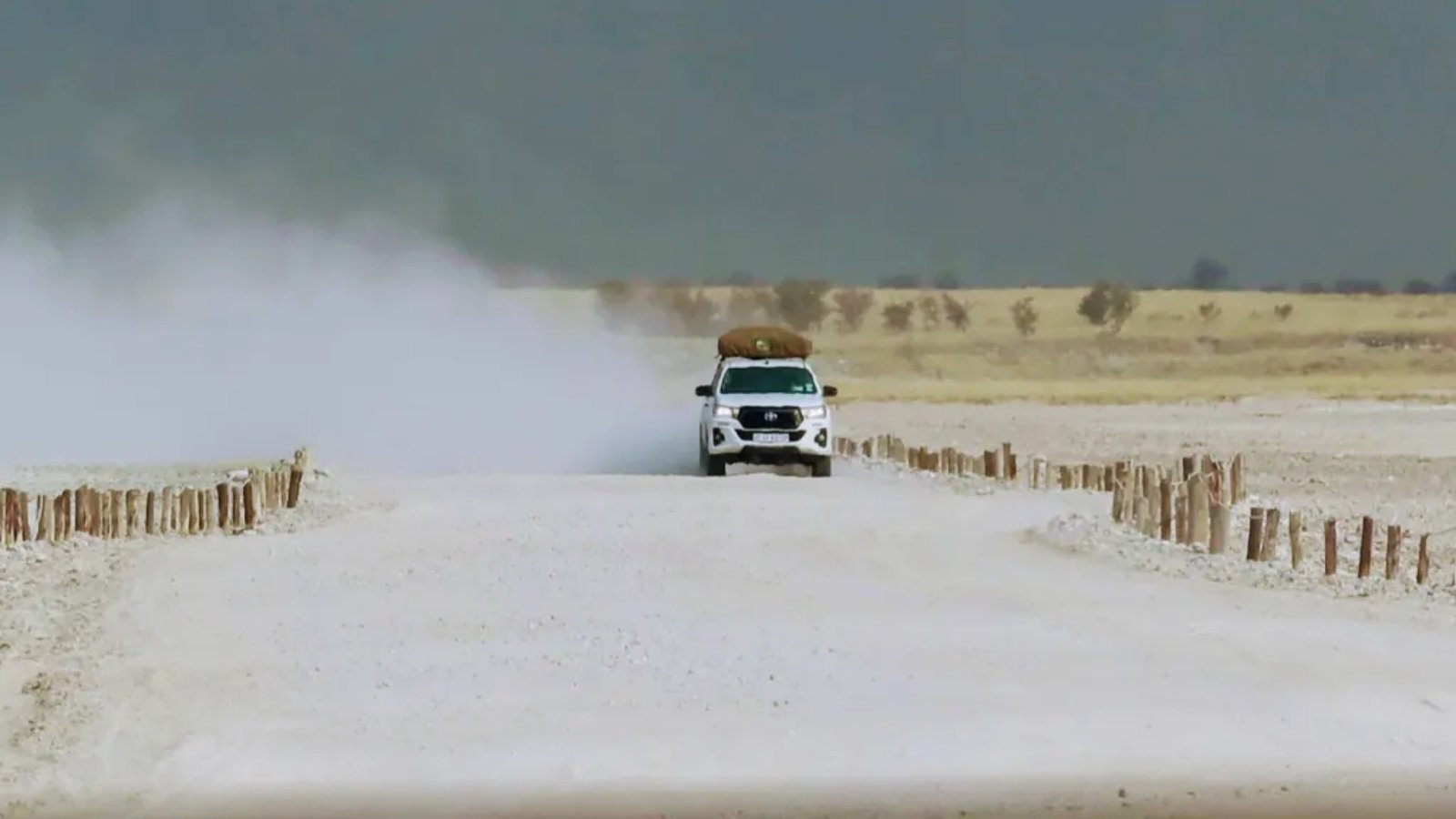
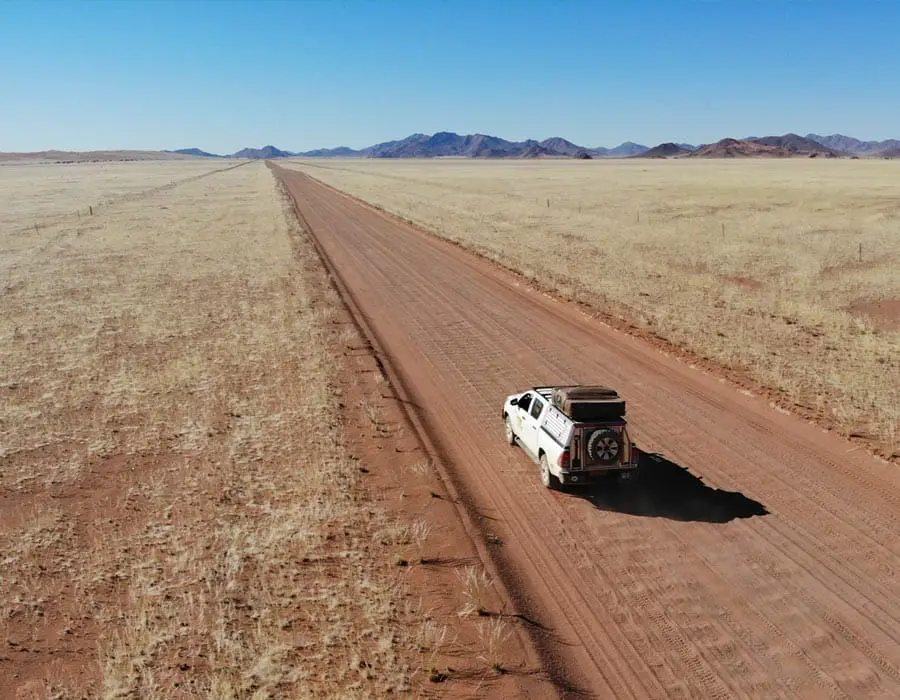
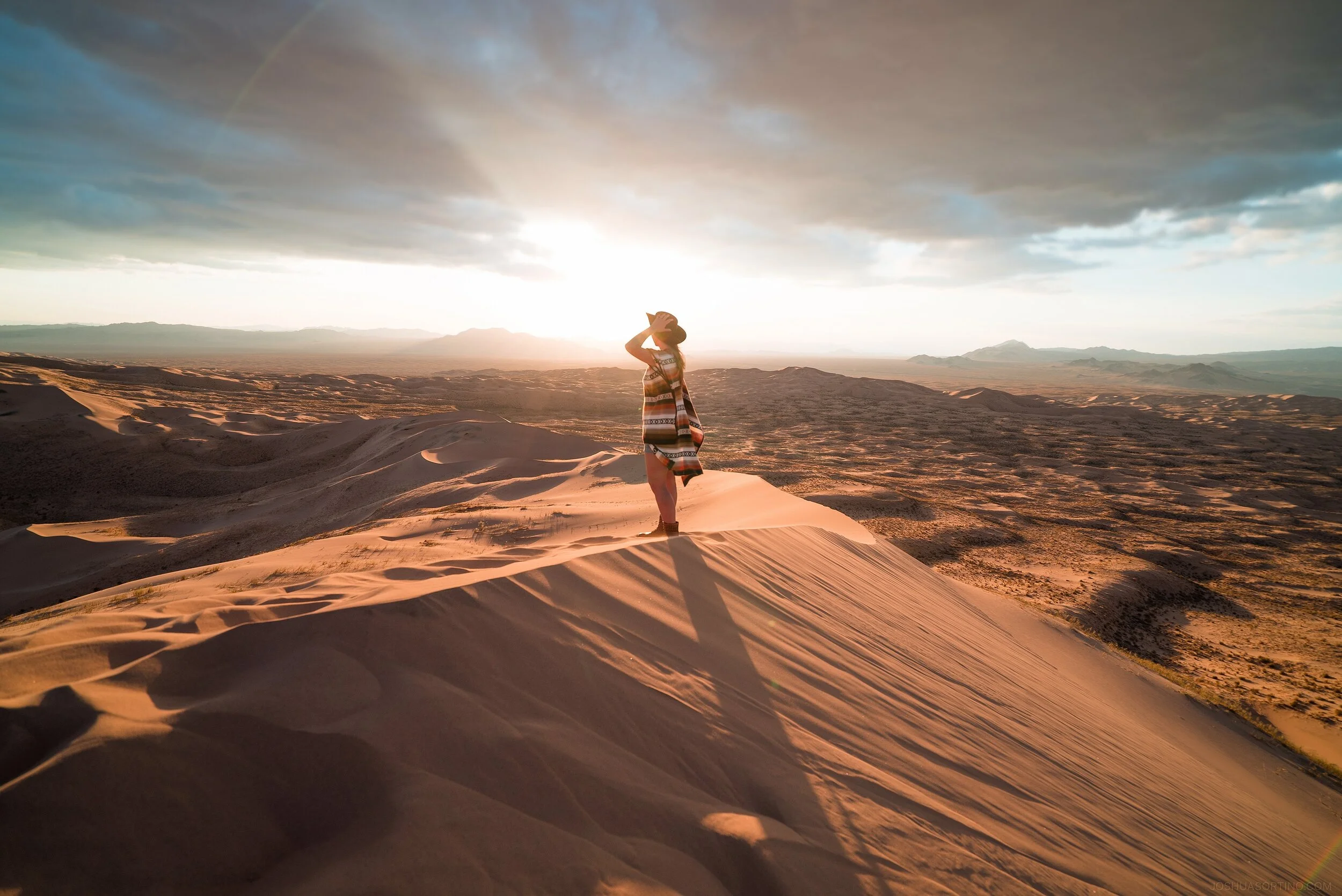
When is the best time to visit Namibia and what to expect If you plan a trip to Namibia, the time of year you go shapes a lot: what you see, what you feel, how comfortable your days and nights are. The good news: there’s almost always a “right” season — but what’s “right” depends on what you want to do. We want you to enjoy each moment — the desert wind, the wildlife, the dunes, maybe the coast. So I’ll walk you through when to go — depending on what you want out of your trip. Think of this as a chat over coffee, with stories, tips, and a bit of realism. For a full step-by-step guide, see our complete Namibia Camping Safari Guide How the season work in Namibia Namibia doesn’t have the same seasons you might know from places with four distinct shifts. Instead, it’s simpler here: These patterns shape your travel experience in big ways. They affect how easy it is to see wildlife, how hot it gets, and what the landscapes look like. Why the dry season (May to October) matters Most guides recommend this as the best time to see wildlife. Here’s how it feels on the ground:When the rains have stopped, the grass dries up. Water becomes scarce. Animals gather at the few waterholes that remain. That makes it easier for you to see them without going long distances. The skies are mostly clear, the sun is out, and the light feels good for photos and game drives. In parks like Etosha National Park, that’s especially true. Animals tend to come out and drink during the day, so you might see elephants, lions, giraffes, zebra and rhino gathering around waterholes.For many travellers who are into wildlife watching or safari culture — that moment when you spot a lion near a waterhole — this is the most reliable time to go. It’s not just wildlife. Places like Sossusvlei — famous for its red dunes — are easier to explore when it’s dry. Sand is firm in the early mornings and late afternoons, and daytime temperatures are more forgiving than in the heat of wet season summer. The downside? Nights can be cold in the desert and in high places like Windhoek or Damaraland. Pack a warm layer for early mornings or dinners under the stars. What the wet season (November to April) feels like If you visit in the wet season, things are different — and not always worse. When the rains arrive, the land turns green. That can be very beautiful. Rivers and pans fill with water. Coastal towns like Swakopmund and Walvis Bay often have cooler breezes then, and wind and fog are softer in summer than in winter. Birdlife becomes more active in the wet months. Migratory birds show up, and places like Etosha Pan can have thousands of flamingoes breeding around shallow water. But wildlife watching at big parks can be trickier. Animals don’t need to crowd around the few waterholes anymore. They scatter across the landscape, which means game drives can involve more driving and less spotting. Rains usually come in short afternoon bursts. Roads outside the main highways can get muddy or slippery if there’s heavy rain, so if you self-drive it’s good to be aware. Views can be greener and softer, though, and if you’re into plants and birds that’s a big bonus. Easy way to match your travel plans with months Here’s how you might think about your trip in simple terms — no confusing language, just clear options: May–October — Best for wildlife and dry weather April, May, October — Shoulders that work well November–March — Summer, heat, green scenery What it’s actually like in real months Let’s break it down so you can match what you want with when you go: January – March It’s hot and in the wet season. Showers, thunderstorms, green plains after rain. Beautiful views if you like birds and greenery. But animals are more spread out in parks like Etosha. April – May Rain slows. Temperatures start to drop. Grass still green, but game viewing becomes easier than earlier wet months. A good time for a quieter, gentler journey. June – August This is peak dry season. Wildlife congregate around water. Days are warm, nights are cool or cold. Roads, camps, activities are full. If you plan safari, this is a dependable stretch. September – October Dry and warmer. Animals are still around waterholes. October can be hot, but it’s a strong month for sightings and still less rain. November – December Rains start. Heat grows. Birdlife increases. Some roads get soft where it’s muddy. Wildlife viewing is still possible, but waterholes aren’t where animals cluster as much. What your goals mean for when you go I’ve seen travellers chase different dreams. Some want classic safari moments — lions, elephants, rhinos within sight on a game drive. For them, dry months are memorable. Clouds are rare, the sky is big and open, and waterholes are focal points. Others want green landscapes, birds, peaceful roads, fewer people. They pick the months where rain has softened the land and roads and lodges feel quieter. Some want coastal time near Swakopmund or Walvis Bay. In summer months you may find milder sea breezes and less fog than in winter. There’s no one right month for everyone. But matching your priorities with these patterns makes your Namibia trip more likely to feel just right for you. Quick facts Enjoy the freedom to explore Namibia. We provide travellers with a unforgettable self-drive camping safari across Namibia. Our services include trip planning, campsite booking and 24/7 support. We organise fully equipped 4×4 vehicles, rooftop tents, camping equipment, and practical travel support. Our travellers get clear routes, real driving distances, and realistic time planning. No rush. No pressure. Just solid travel planning. We focus on budget-friendly self-drive camping safaris that still feel safe and well prepared, supporting eco-friendly travel. We share real local advice. If a tyre blows or plans change, we’re there to help. Our team lives and works in…